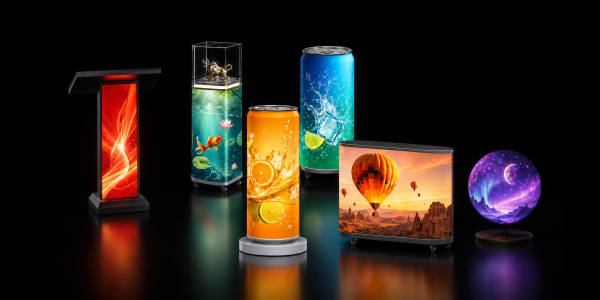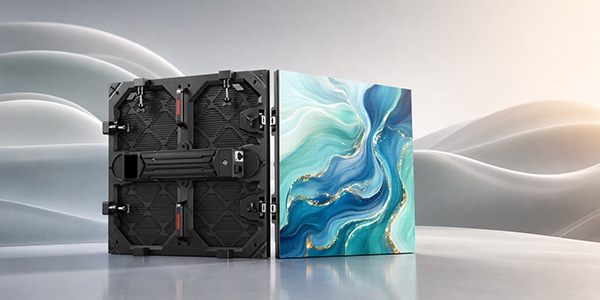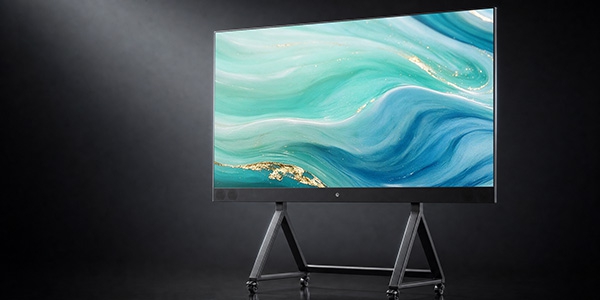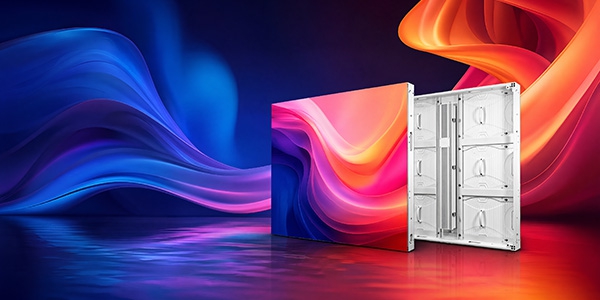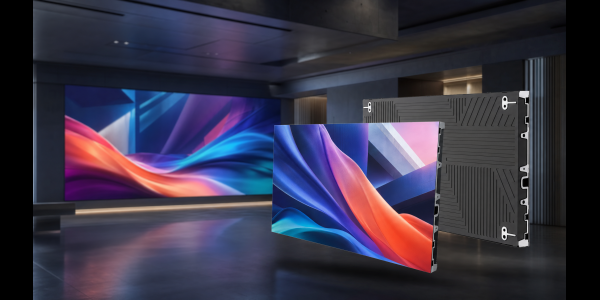
In human life, display technology is ubiquitous, from mobile phones, televisions, to street billboards. From LCD to OLED and then to MLED (a collective term for Micro LED and Mini LED), human pursuit of screen display effect and thinness has always been consistent.
During this process, the distance between displayed pixels is rapidly moving towards miniaturization, from millimeters to micrometers, to within one tenth of a human hair.
The confrontation of display technology has never stopped, and now MLED, as the "new generation display technology", is no longer just a fleeting glimpse. Under the leadership of breakthroughs in various display technologies, this technology has rapidly developed to the eve of industrialization, and industrial opportunities have also opened up accordingly.
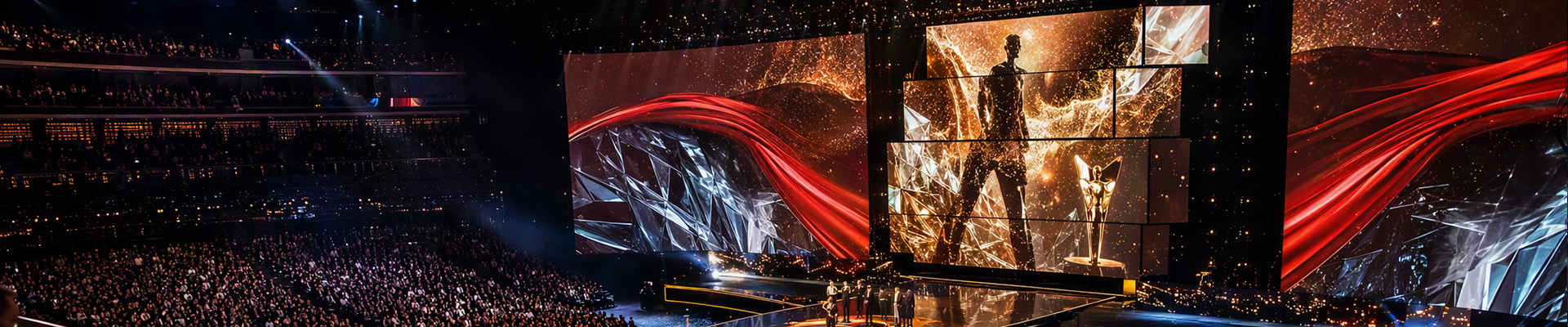
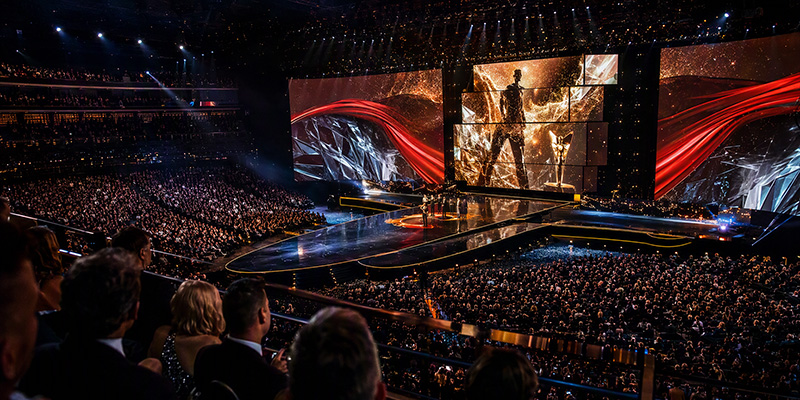
On the one hand, the era of large-sized commercial displays has arrived, and existing display devices require technology with higher definition display effects to be updated and replaced. Micro LED is the carrier of high-definition solutions. For example, LED manufacturers such as Liard and Lehman have already used Micro LED splicing screens in command centers, monitoring centers, and other scenarios.
On the other hand, the era of the metaverse has begun, and AR/VR, as the entrance to the metaverse and a new product form, requires the support of flexible, high-definition, and lightweight MLED displays.
The news that Apple's VR devices may be equipped with Micro LED screens, the trendsetter of consumer electronics, has given enough confidence to the industry chain and gradually pushed the MLED industry from the commercial B-end market to a richer civilian market.


Grace

Chloe

Mia

Gemma

Amy